Customized Cosmetic Plastic Bottle Caps and Glass Caps: A Complete Guide
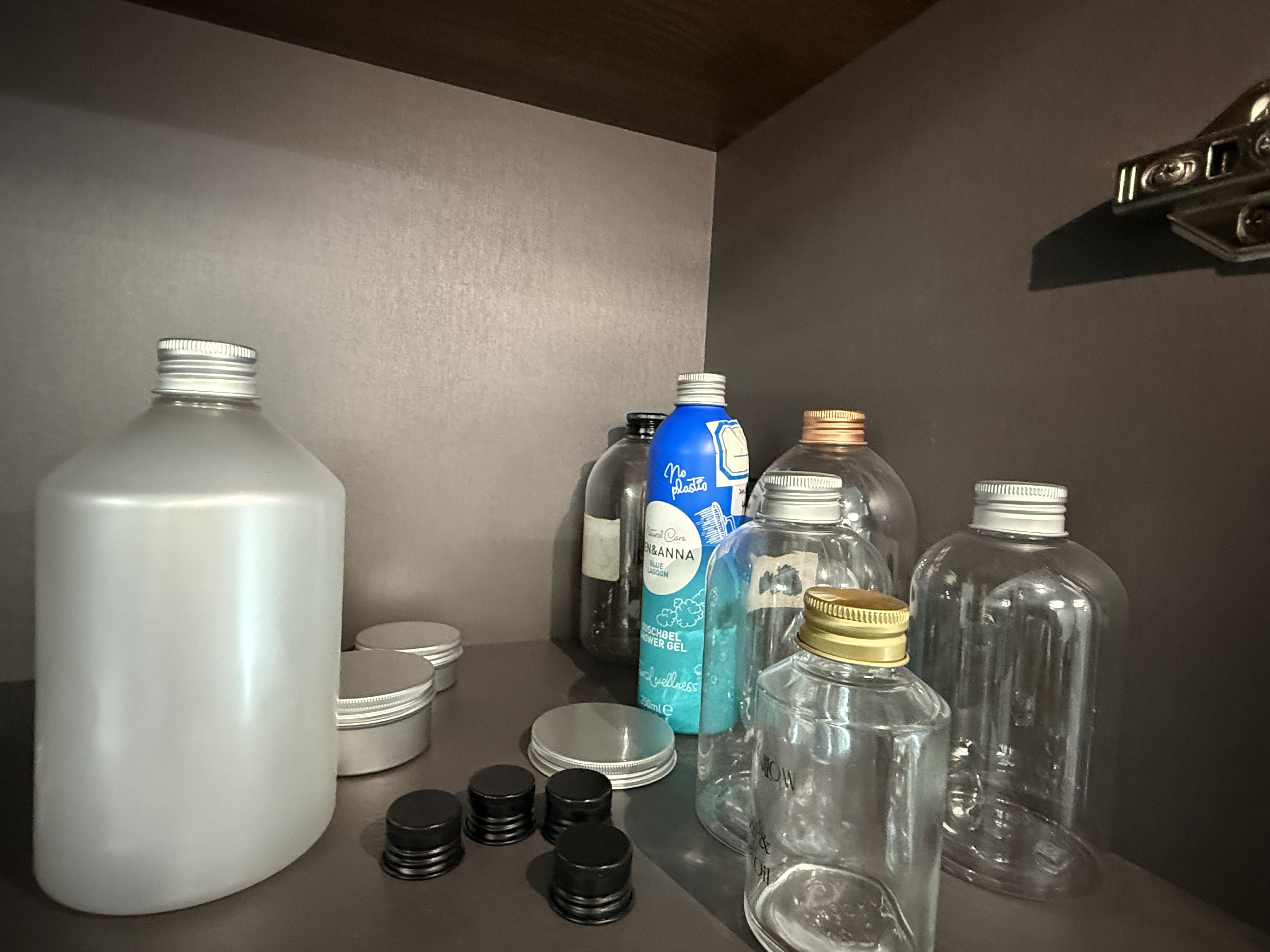
The right cap can make or break a cosmetic product. It protects the formula, controls dispensing, and communicates brand identity. That is why more beauty brands are choosing customized cosmetic plastic bottle caps and glass caps to stand out on crowded shelves. Whether you need an airless pump, a luxury glass dropper, or a lightweight plastic closure, customization gives you full control over look, feel, and performance.
Why Customization Matters for Cosmetic Packaging
Cosmetic packaging is not just a vessel; it is a marketing tool. A custom cap can elevate a simple jar into a premium product. Consumers often judge a product by its packaging before they ever try the formula. Custom caps allow you to align every detail with your brand identity—from color and texture to shape and opening mechanism.
Moreover, functionality is just as important as aesthetics. A serum bottle needs a precise dropper; a lotion pump needs to dispense the right amount; a cream jar needs a tight seal. With customized cosmetic plastic bottle caps and glass caps, you can tailor the closure to the viscosity, formulation, and usage pattern of your product.
Plastic Caps vs. Glass Caps
Both plastic and glass caps offer distinct advantages. Understanding the differences helps you choose the right material for your product.
Plastic Caps
- Lightweight and economical: Plastic caps reduce shipping costs and are cost-effective in bulk.
- Versatile designs: Injection molding and compression molding allow complex shapes, undercuts, and multi-start threads.
- Color matching: Plastic can be molded in any Pantone color, making it easy to match your brand palette.
- Durability: Plastic resists impact and is less likely to break during handling and transport.
Glass Caps
- Premium feel: Glass caps offer a heavy, luxurious appearance that suggests high quality.
- Chemical resistance: Glass is inert and compatible with most cosmetic formulations.
- Environmentally friendly: Glass is infinitely recyclable, supporting sustainability goals.
- Decorative potential: Frosting, metallic finishes, and embossing can turn a glass cap into a signature element.
Some brands combine both materials—for example, a glass bottle with a plastic cap for a balanced cost and luxury. Others use fully customized cosmetic plastic bottle caps and glass caps to create a unified line across different product formats.
Key Customization Options
When you order custom caps, several parameters can be adjusted to meet your exact requirements.
Design and Shape
The shape of the cap should harmonize with the bottle. You can request angular, round, dome-shaped, or tapered caps. Internal threads, snap-fit lids, and lug finishes are all possible. 3D printing and CAD modeling let you test the design before mass production.
Colors and Surface Finishes
Surface texture affects perception. Glossy caps feel modern and sleek; matte caps offer a soft-touch, velvety feel. You can also choose metallic effects, pearlescent colors, or transparent tints. For glass caps, options include sandblasting, acid etching, and colored glass.
Liners and Seals
To prevent leakage and preserve freshness, choose appropriate liners. Induction seal liners provide tamper evidence. Foam and pulp liners are common for jars. For creams and lotions, a wadless cap or a specialized sealing gasket may be necessary.
Functional Features
Think about how the consumer will use the product. A flip-top cap allows one-hand opening. A disc-top cap is great for liquid products. A pump or sprayer requires a special closure with a snap-on or screw-on fit. Customized cosmetic plastic bottle caps and glass caps can include child-resistant mechanisms, tamper-evident rings, and anti-glug features.
Material Quality and Compliance
Your caps come into direct contact with the product. Therefore, the materials must meet regulatory standards such as FDA, EU, and REACH requirements. For plastic caps, use virgin resin that is BPA-free and food-safe. For glass caps, ensure the glass is low-lead and stable. Always request documentation of material compliance and test results.
Quality control is critical. Test caps for torque, leak resistance, and dimensional accuracy. A cap that fits too loosely or too tightly can lead to consumer complaints and product damage. Reliable manufacturers perform in-house testing and provide sample batches before full production.
Sustainability Considerations
Consumers increasingly demand eco-friendly packaging. You can reduce environmental impact by using recyclable plastics, bio-based resins, or post-consumer recycled materials. Glass caps are also a strong option because glass can be recycled indefinitely. Combine sustainable materials with minimal packaging designs to appeal to conscious buyers.
Working with a Cap Manufacturer
Choose a manufacturer with experience in cosmetic packaging. Share your target price, order volume, and production timeline. Request samples and discuss mold costs. A good partner will help you optimize the design for manufacturability and cost. They should also offer support with decorating, such as screen printing, hot stamping, or labeling, so your caps arrive ready for filling.
Importers and brands often work with factories directly to customize cosmetic plastic bottle caps and glass caps to their specifications. This allows for better pricing and proprietary designs that competitors cannot easily copy.
Request a Quote
Whether you are launching a new skincare line or refreshing an existing brand, the right custom caps can make a significant difference. At Aluminum cap & box, we specialize in precision packaging solutions and can help you select the ideal material, finish, and functionality for your product. Contact us today to request a quote and receive samples tailored to your project.